By Emma Theron
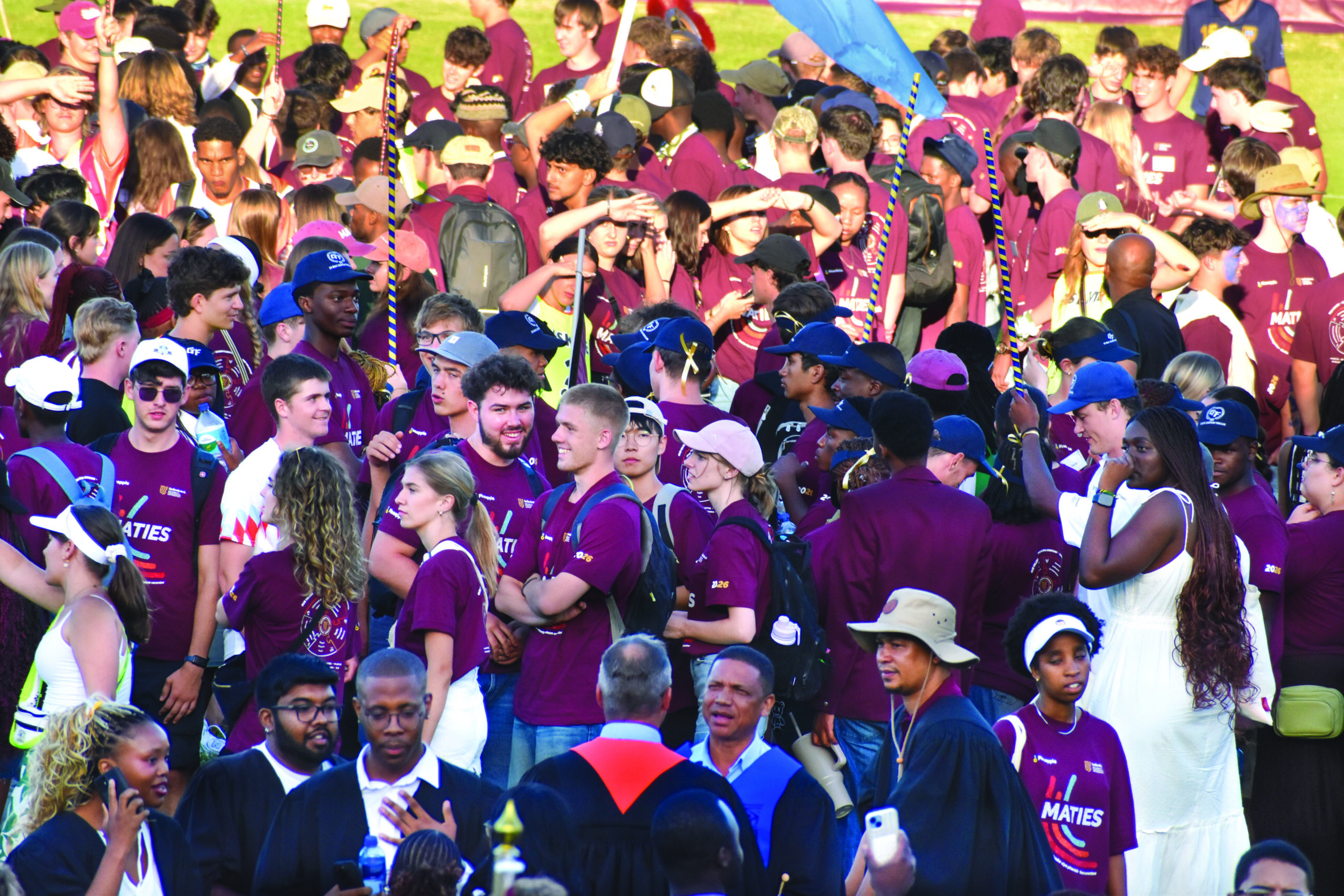
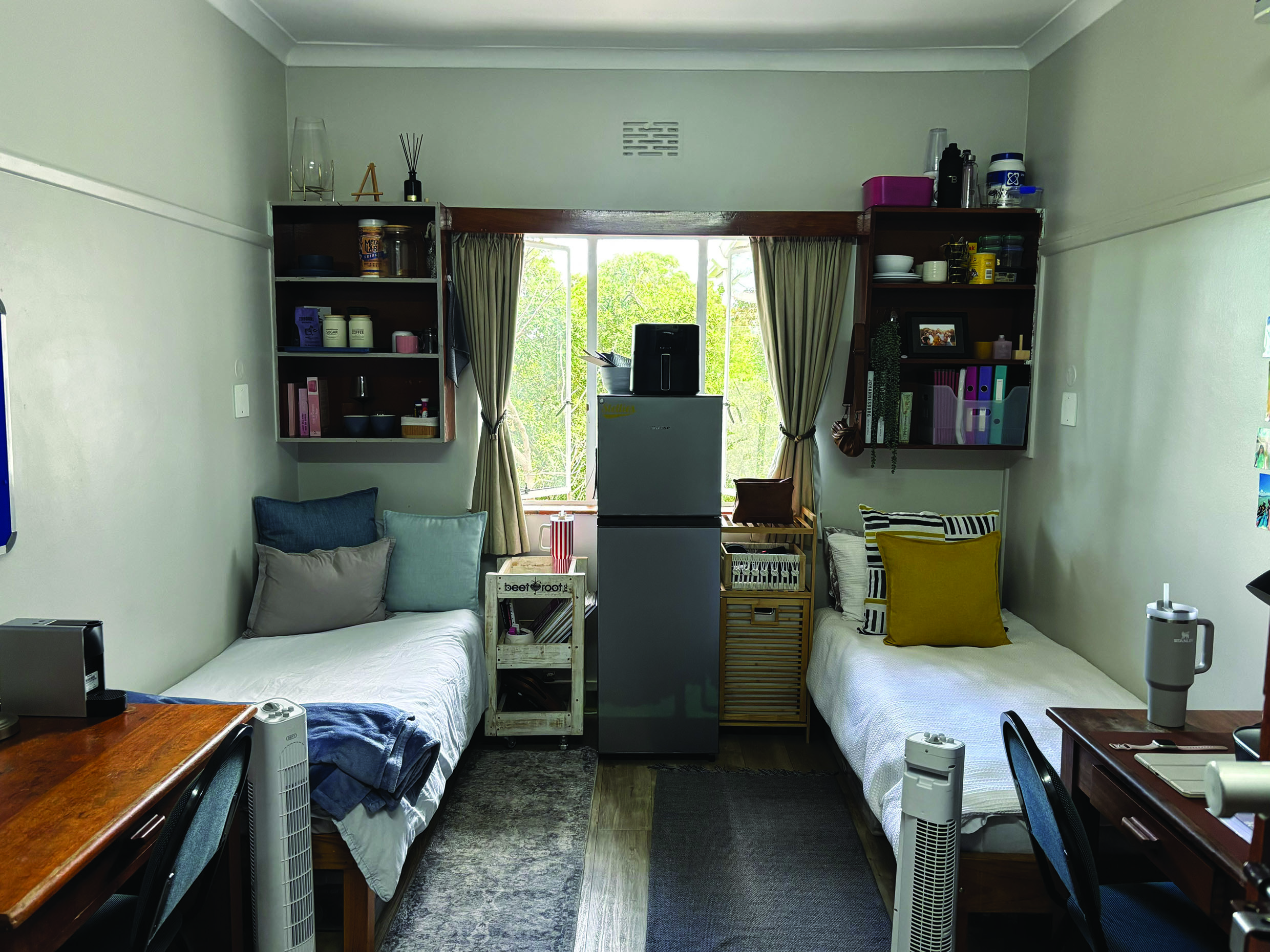
Stellenbosch University (SU) has earned itself a reputation of being a student town. Residence culture, Commuter Student Communities (CSC) signage, and merchandise filter their way into everyday life at the university. Welcoming is the first taste of what being a Matie has to offer. But to make it truly memorable, student leaders prepare fastidiously in advance to make sure that Welcoming feels like a homecoming.
The commitment that student leaders have to ensuring that Welcoming’s 10 days are a highlight for newcomers cannot be understated. Rachel Reardon, a fourth-year BCom (International Business) student, Lydia’s previous Vice-Prim and Welcoming leader, explains that the preparation for Welcoming began “[…] in mid-September and ended in […] mid-November. So it took roughly two months, but that wasn’t because the actual planning took two months; it was because we were waiting on dates, and confirmation […].” She goes on to state that “[they] sat down for literally ten hours on one Saturday and just grafted through this thing.”
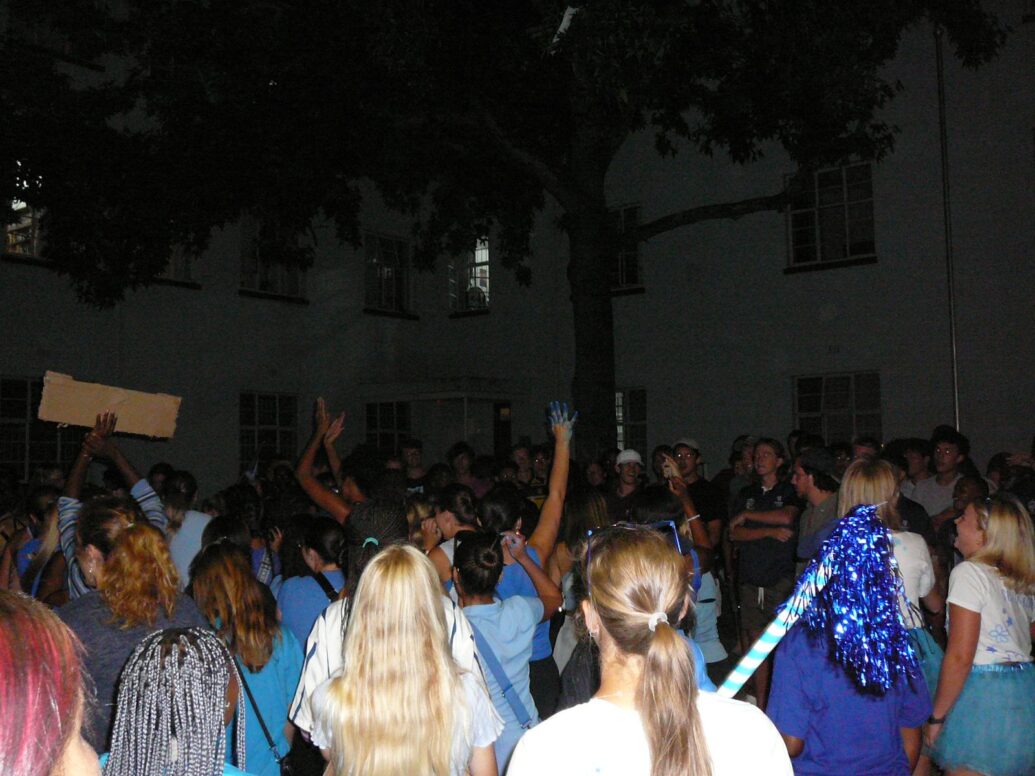
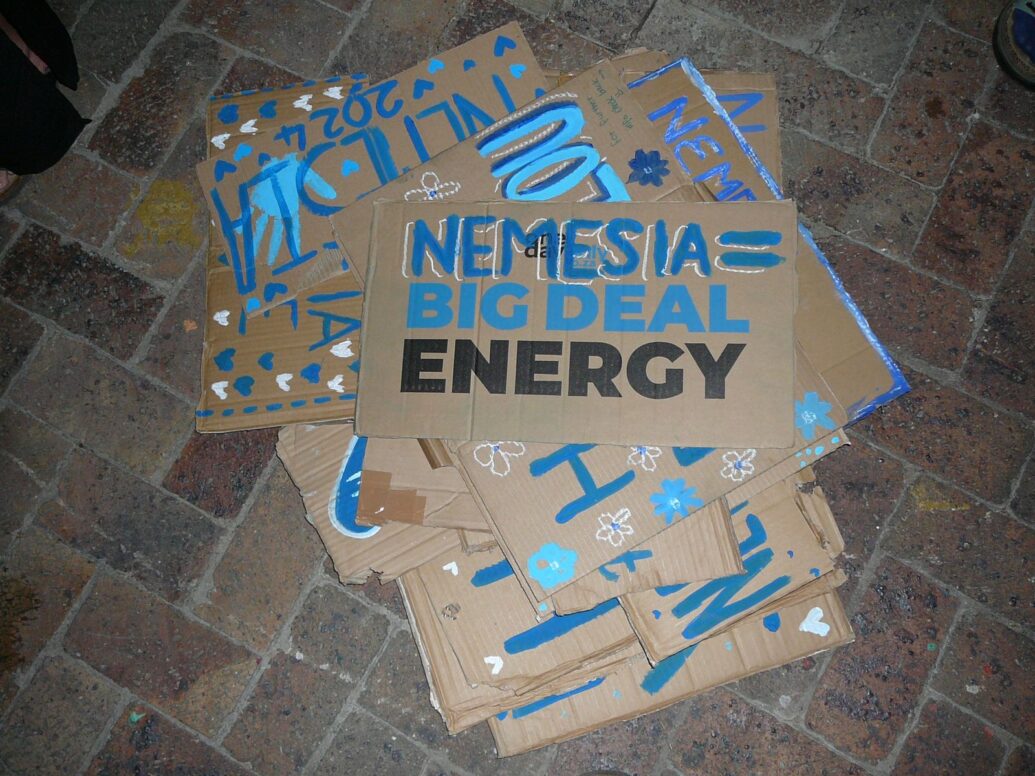
Mpho Mokeona, fourth-year B in Social Work student, Nemesia’s Vice-Prim and 2025 Welcoming leader, emphasises that “[p]lanning 10 full days requires intentional structure and teamwork […]. Being the Welcoming leader last year, we co-ordinated the programme by mapping out the purpose of each day, balancing orientation, academic readiness, social integration, and rest, which is important and contributed to us having a great monitor’s report. Activities were then scheduled around those goals.”
For CSC’s, Welcoming has an additional feat behind the scenes. Equité’s Welcoming leaders (fourth-year LLB student Roselyn Chingadu and third-year BA (Drama and Theatre Studies) student Thakazelwa Sishi) explained, “[A]s a CSC we do have our own set of specifications and limitations to keep in mind when planning activities, such as our days not ending too late to allow for newcomers to safely travel home, having the first Saturday and Sunday off as rest days, and the fluctuation of newcomer attendance.”
There are specific events that have to be included in Welcoming. Reardon explains that when planning the programme, you have to start with compulsory SU events and meals “because those are set dates”. Welcoming has to strike a balance between interest, energy levels, social commitments, internal bonding, and specific events. As Chingadu states, this balance results in there being “[…] a lot of planning and small details that go into Welcoming that people don’t see. Welcoming in general, from the planning to the actual executions, is a rollercoaster of good and bad moments and continuous learning for everyone.”
Reardon admits that “[the] one thing about Welcoming is [that] you could do all the planning in the world and at the end of the day it’s not going to go to plan. It never does. There’s always something that happens.” Reardon emphasises, “We need to think about the why behind welcoming. Why do we [have] welcoming […]? It’s a very expensive process. It’s a very time consuming process […]. There’s so much that goes into it, and is it worth it? In my opinion it a hundred percent is.” Still, when looking at all the effort that leaders put into this event, the “why behind Welcoming” could not exist without the people who make it possible.