By Ella Bosman
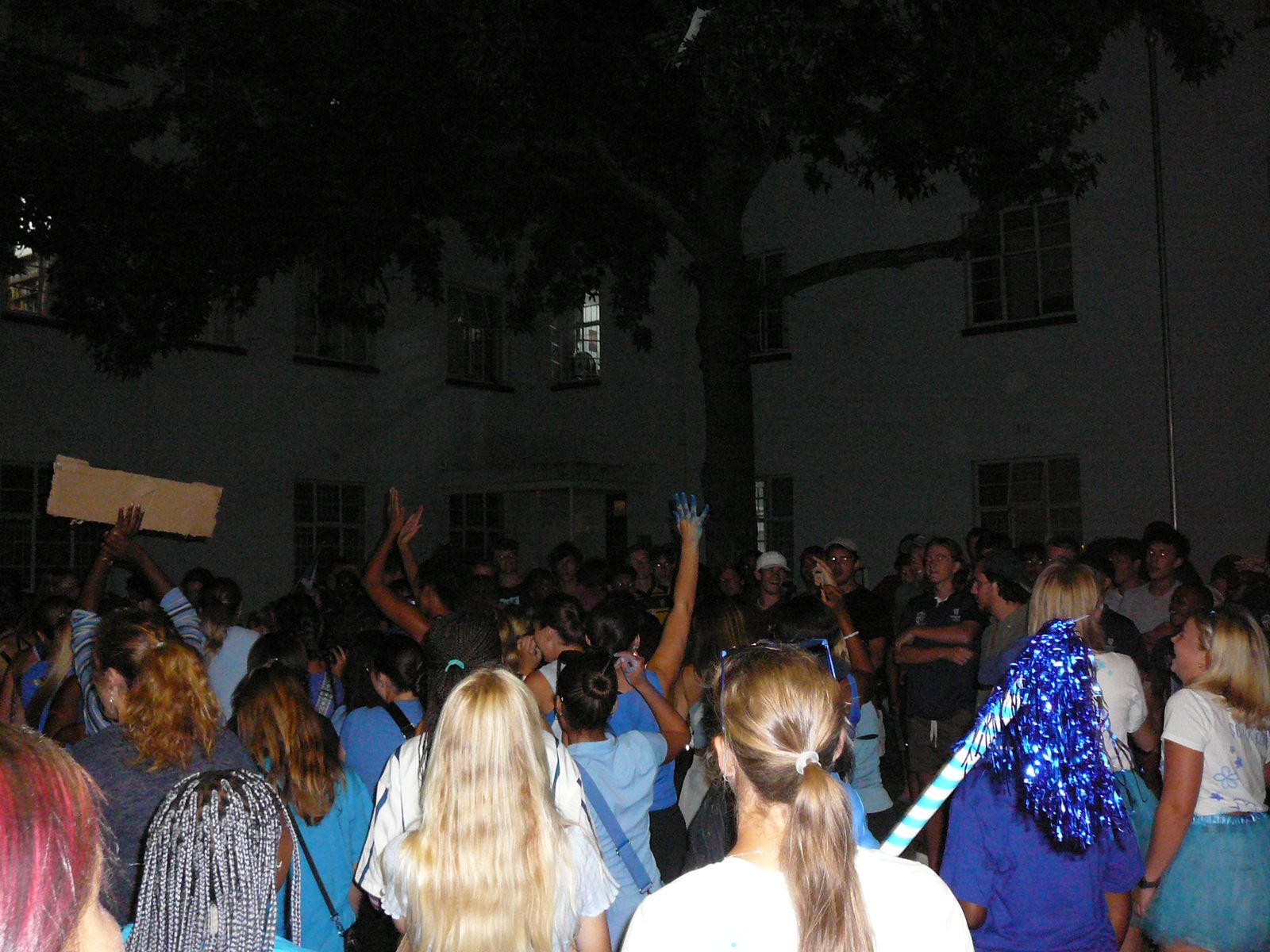
For many, arriving in Stellenbosch for the first time feels a bit like walking into High School Musical. Oak-lined streets buzzing with life, students everywhere, the Neelsie, and of course its infamous night life. While this environment is associated with an idealised “university experience”, some students report feeling out of place despite the setting.
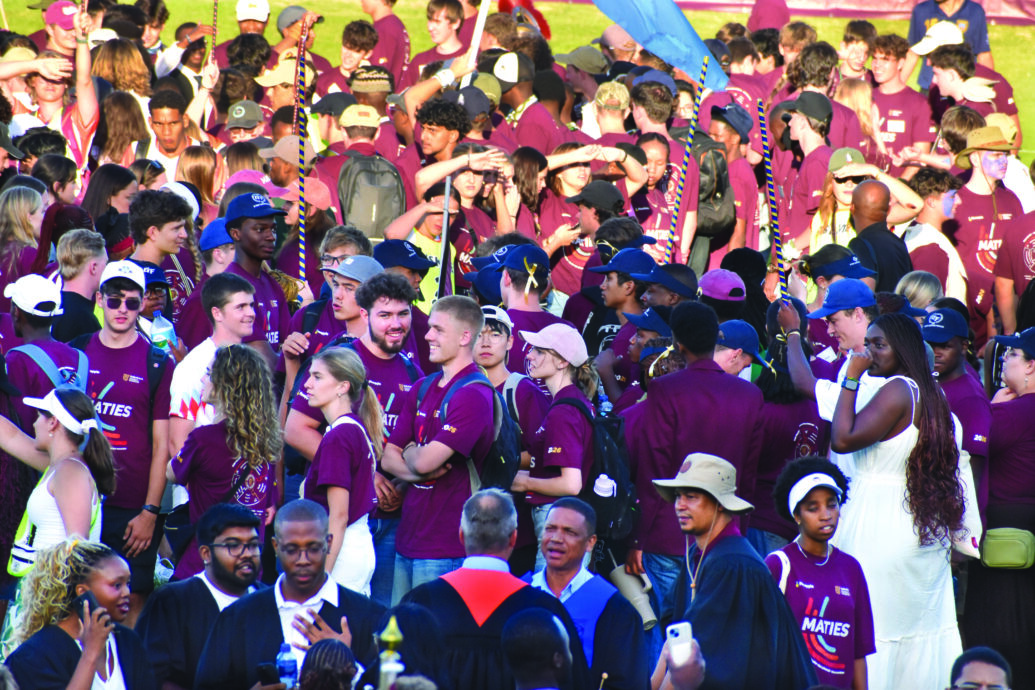
Giuliana Millard, a BA (Humanities) graduate and current postgraduate student at SACAP, described Stellenbosch as “a picturesque little student town with cute cafes and bars everywhere,” while other students interviewed reported feeling at home immediately. However experiences vary greatly, particularly for students navigating university for the first time without family precedent.
The term “first-generation student” refers to any student that is the first in their immediate family to attend university. According to an Instagram post by @soar_stellenboschuniversity (posted in January 2025), being a first-generation student means that “neither of your parents/guardians have attained a degree, diploma, or certificate at a tertiary education institution after Grade 12 (matric)”.
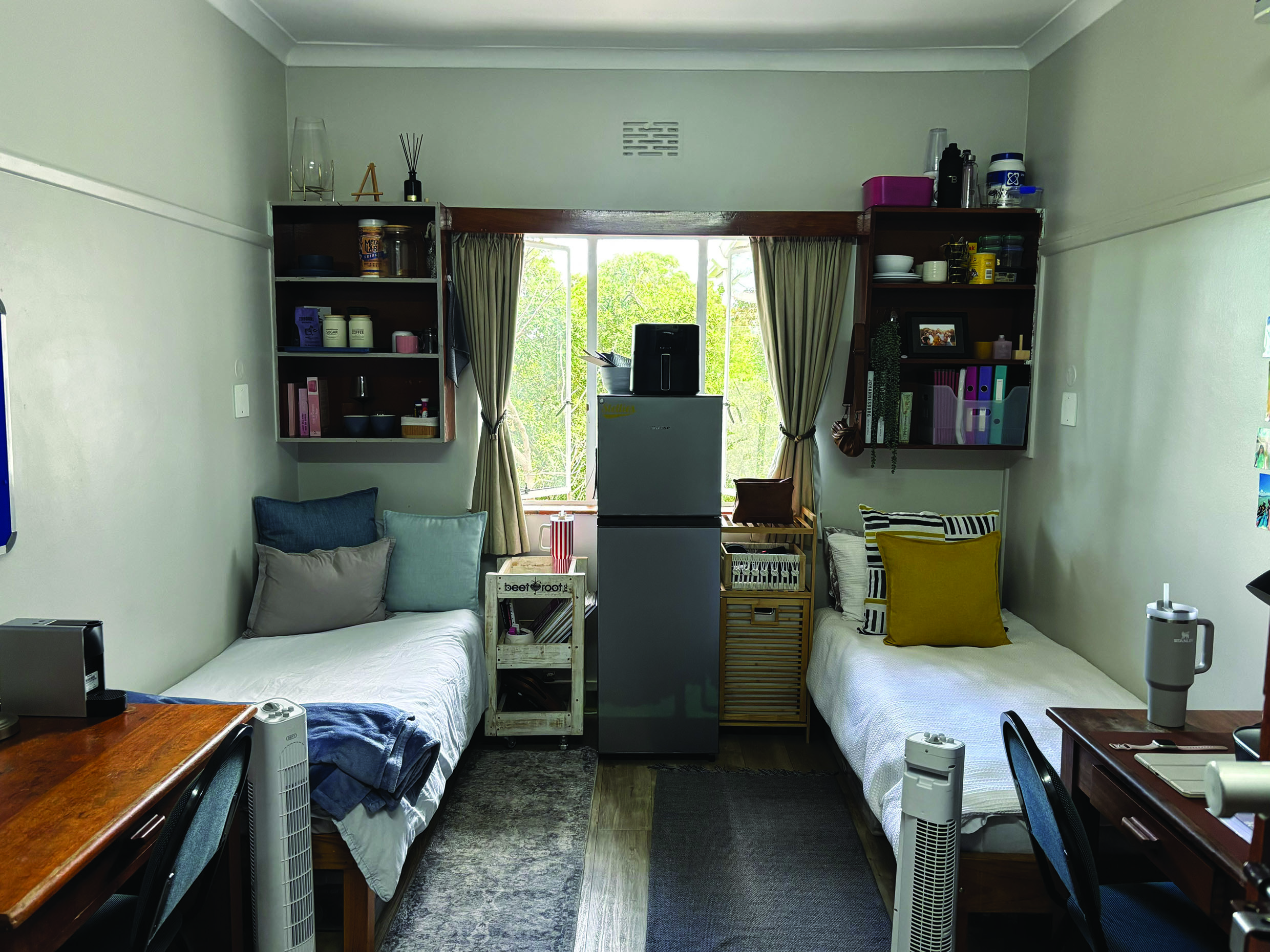
Students who move to Stellenbosch often face additional adjustments, including adapting to a new lifestyle and social environment. Ammara Mahomed, a BSc (Molecular Biology) third-year, described the lifestyle as “extremely different from anything [she] knew”. She noted that the pace and density of student life initially felt overwhelming.
Academic expectations were also highlighted as a key adjustment. As Erin Painting, a fourth-year BSc (Computer Science) student, put it, “Being naturally smart in high school doesn’t get you very far in university. You have to study.” According to a survey conducted by Die Matie among senior students, several described the transition from school to university academics as demanding. These students further reported having to develop new study habits.
Beyond academics, students pointed to other pressures associated with first year, including large lecture halls, residence culture and increased independence. These factors were frequently mentioned by respondents as contributing to a challenging adjustment period.
Administrative processes were another recurring theme. Students cited difficulties navigating platforms such as SUNStudent, MySUN and SUNLearn, particularly during registration, welcoming and assessment periods.
Respondents indicated that support often came from personal networks rather than formal university networks. According to Painting, friends, siblings and older students became lifelines in struggles. Mahomed further described feeling like he was “thrown into the deep end.”
Stellenbosch University (SU) prides itself on its meaningful student support systems. For first-generation Maties, the Strengths, Opportunity, Agency, and Resilience (SOAR) programme is a “pre-Welcoming programme for students” that is “designed to boost [their] confidence while helping them familiarise themselves with their new living and learning environment”. This programme’s major aim is “changing first generation student lives and creating leaders”. In an interview with SU, Dr Joy Petersen explained that “the main goal of the programme is to enhance their confidence, help them make early friendships and create a sense of familiarity with their new environment.”
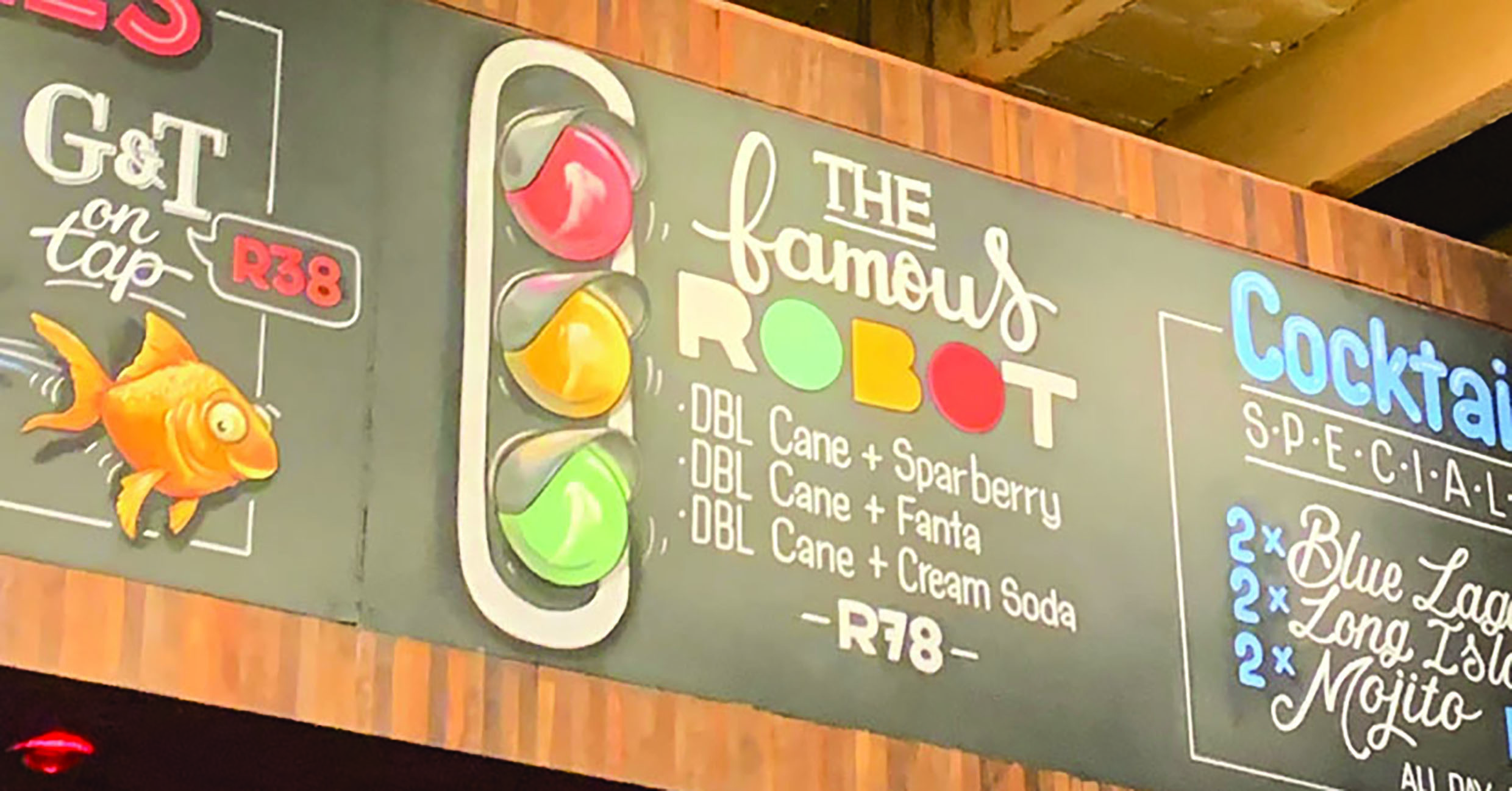
Despite these challenges, several students reflected on how their experiences shaped them over time. Senior students advised first-years to be open to opportunities and campus life. Millard even warned against underestimating the iconic De Lapa fishbowl, noting that some lessons have to be learnt through tough experience.
The most important advice was simple: Do not be too hard on yourself. As Painting put it, “University is a big jump.” Feeling lost and confused, especially in the beginning, is part of the process. Slowly, through mistakes such as walking into the wrong lectures, choosing DCM coffee over a meal, pulling an all-nighter before a test, or enjoying Klein Saterdag a bit too much, students ultimately learn to find their own way in the world. In the wise words of Carla Botha, a third-year BSc (Human Life Sciences) student, “None of it was really that deep.”